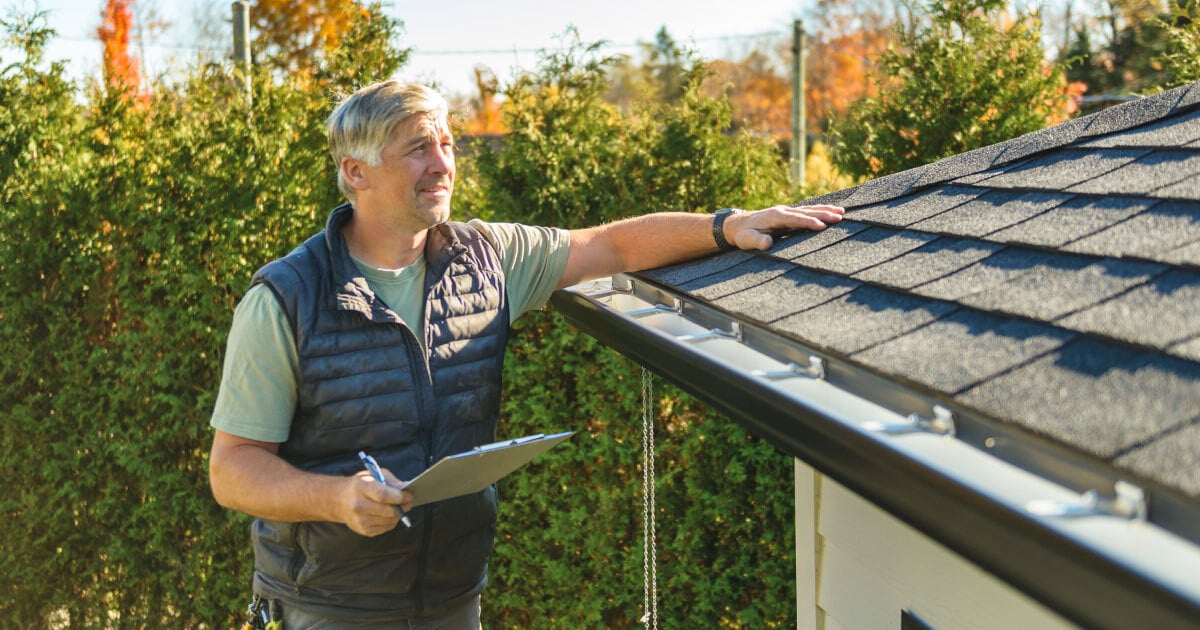
You’ve found the perfect home and submitted an offer. It’s now time for the home inspection. Why is this important? A home inspection helps you understand a property's condition before you finalize your purchase. A licensed home inspector will visually review the home’s accessible systems and components to identify safety concerns, major repairs, and maintenance needs that may affect your decision or budget. That is why New Hampshire Housing includes hiring a licensed inspector in its steps to homeownership.
Don't be alarmed if the report includes a long list of findings; every home has issues. The key is to identify which concerns need immediate attention and which can be addressed later.
Table of Contents
- Questions to ask your inspector
- What happens after the inspection?
- Make your decision with confidence
What does a home inspector check?
During the inspection, your inspector will walk through the home and look for visible signs of damage, wear, or safety issues. The inspection generally covers:
- Roof, gutters, siding, and drainage
- Foundation and visible structural components
- Plumbing and water heater
- Electrical panel, wiring, outlets, and switches
- Heating and cooling systems
- Walls, ceilings, floors, windows, and doors
- Attic insulation and ventilation
- Decks, stairs, and railings
Keep in mind that an inspector cannot see behind walls or predict when something may break. If an area cannot be safely accessed or inspected, it should be noted in the report.
What area may require separate testing?
A standard inspection does not cover every possible issue. Depending on the property, you may want additional testing or a specialist’s opinion. Here are a few areas that typically require separate testing, especially for a home in New Hampshire.
Private wells
If the home has a private well, ask when the water was last tested and which contaminants were included. Well condition and water quality may require separate evaluations.
New Hampshire Housing’s Water Wellness in New Hampshire course is a helpful resource for buyers and homeowners. The approximately 30-minute course covers common well water contaminants, basic maintenance, and the responsibilities that come with owning a private well.
Septic systems
Ask when the septic system was last inspected and pumped. A separate septic inspection can help you understand the condition of the tank and drainage area.
Radon
Radon is an invisible, odorless gas that can enter a home from the ground. The Environmental Protection Agency recommends testing every home for radon. Ask whether your inspection includes radon testing.
Lead
Homes built before 1978 may contain lead-based paint. New Hampshire Housing offers information and potential assistance through its Lead Hazard Control and Healthy Homes Program. Eligibility requirements apply.
You may also want specialized evaluations for pests, mold, asbestos, chimneys, or other concerns identified during the inspection.

Which findings matter most?
Start with issues that could affect your safety or lead to expensive repairs:
- Structural movement
- Active water leaks or basement moisture
- Roof failure
- Electrical hazards
- Heating or venting problems
- Damaged plumbing
- Septic or well concerns
- Unsafe stairs, decks, or railings
Cosmetic issues, such as scratched floors or worn paint, are usually less urgent. Your inspector may recommend that a qualified contractor or specialist take a closer look at a particular concern.
Questions to ask your inspector
If possible, attend the inspection and ask:
- Is this a safety concern?
- Does it need attention now?
- Should a specialist evaluate it?
- Are there signs of past water damage?
- Which areas could not be inspected?
- What maintenance should I plan for?
- Are additional tests recommended?
A good inspector should be able to explain the findings in everyday language.
What happens after the inspection?
Review the report with your real estate professional. Depending on your purchase agreement, you may be able to request repairs, ask for a credit or price adjustment, schedule additional evaluations, or move forward without changes.
The seller is not automatically required to fix every issue. Focus on safety, major systems, and repairs that could meaningfully affect your budget. Your rights and deadlines depend on your purchase agreement, so ask your real estate professional or attorney if you have any questions.
If the home needs significant work, an approved New Hampshire Housing lender can explain whether renovation financing may be available.
Make your decision with confidence
A home inspection gives you a clearer picture of what you are buying. Take time to review the findings, ask questions, and get additional professional opinions when needed.
New Hampshire Housing offers homebuyer education and resources to help you prepare for the full homebuying process. Eligible buyers may also qualify for downpayment and closing cost assistance with a New Hampshire Housing mortgage. Program requirements apply.



Sign up for New Hampshire housing’s email list today for the latest events, news, and offers.